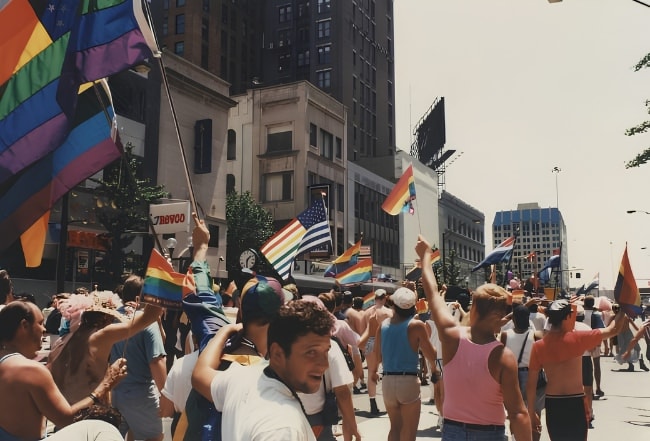
A HISTORY OF RESILIENCE.
Queer history in Ohio is not defined by permanence, but by resilience. Even as spaces disappear, new ones continue to form. Community is built through care, adaptability, and shared experience—often in ways that are temporary, but deeply meaningful.
EARLY QUEER LIFE
Queer life in Ohio existed quietly and often invisibly. People gathered in bars, private homes, and coded public spaces, especially in cities like Cleveland, Columbus, and Cincinnati. These spaces were rarely labeled as queer, but were known through word-of-mouth and shared trust. Safety depended on discretion, and many spaces were temporary or hidden.
PRE 1970s
IMPACT OF
STONEWALL.
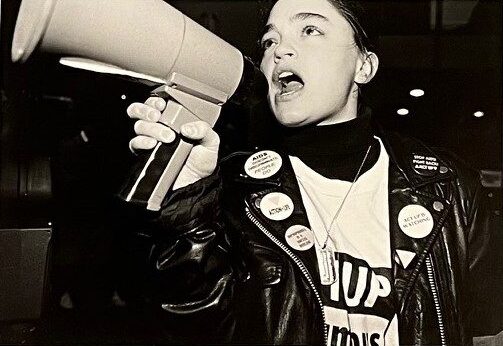
After the 1969 Stonewall Riots, queer organizing began to take shape across Ohio. Universities became key sites for early LGBTQ+ groups, including:
- Ohio State University (Columbus)
- Kent State University
- University of Cincinnati
Student organizations and activist groups pushed for visibility, rights, and safer spaces. Columbus began to emerge as a central hub for queer organizing in the state.

BARS, CLUBS &
SOCIAL SPACES
Bars have historically been the most consistent queer third spaces in Ohio. Cities like Cleveland and Columbus developed clusters of nightlife that became community anchors.
Lesbian bars, drag venues, and dance clubs provided not just entertainment, but connection, identity, and safety.
Notable areas:
- Cleveland (Lakewood / Detroit Ave area) – a long-standing queer nightlife strip
- Columbus (Short North / German Village) – mixed queer and arts communities
ACTIVISM & AIDS CRISIS
1980s-90s
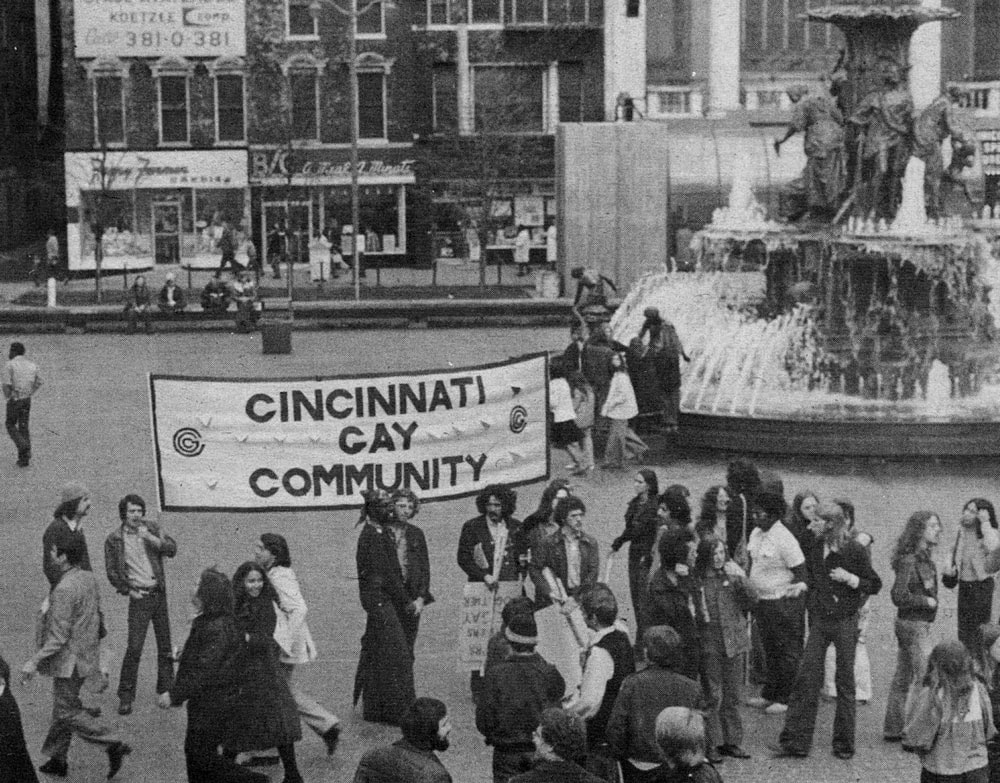
The AIDS crisis had a major impact on queer communities in Ohio. Many spaces closed, and stigma increased, but activism grew stronger.
Grassroots organizing became essential, especially in cities like Cleveland and Columbus, where local networks supported those affected.
Organizations & community groups mobilized to:
- Provide healthcare support
- Share information and resources
- Advocate for LGBTQ+ rights

COMMUNITY CENTERS & ORGANIZAtions
These spaces offered resources, programming, and safer environments beyond nightlife, especially for youth and marginalized groups within the community.
As visibility increased, more formal institutions began to emerge.
COLLEGE TOWNS
AS SAFE ZONES
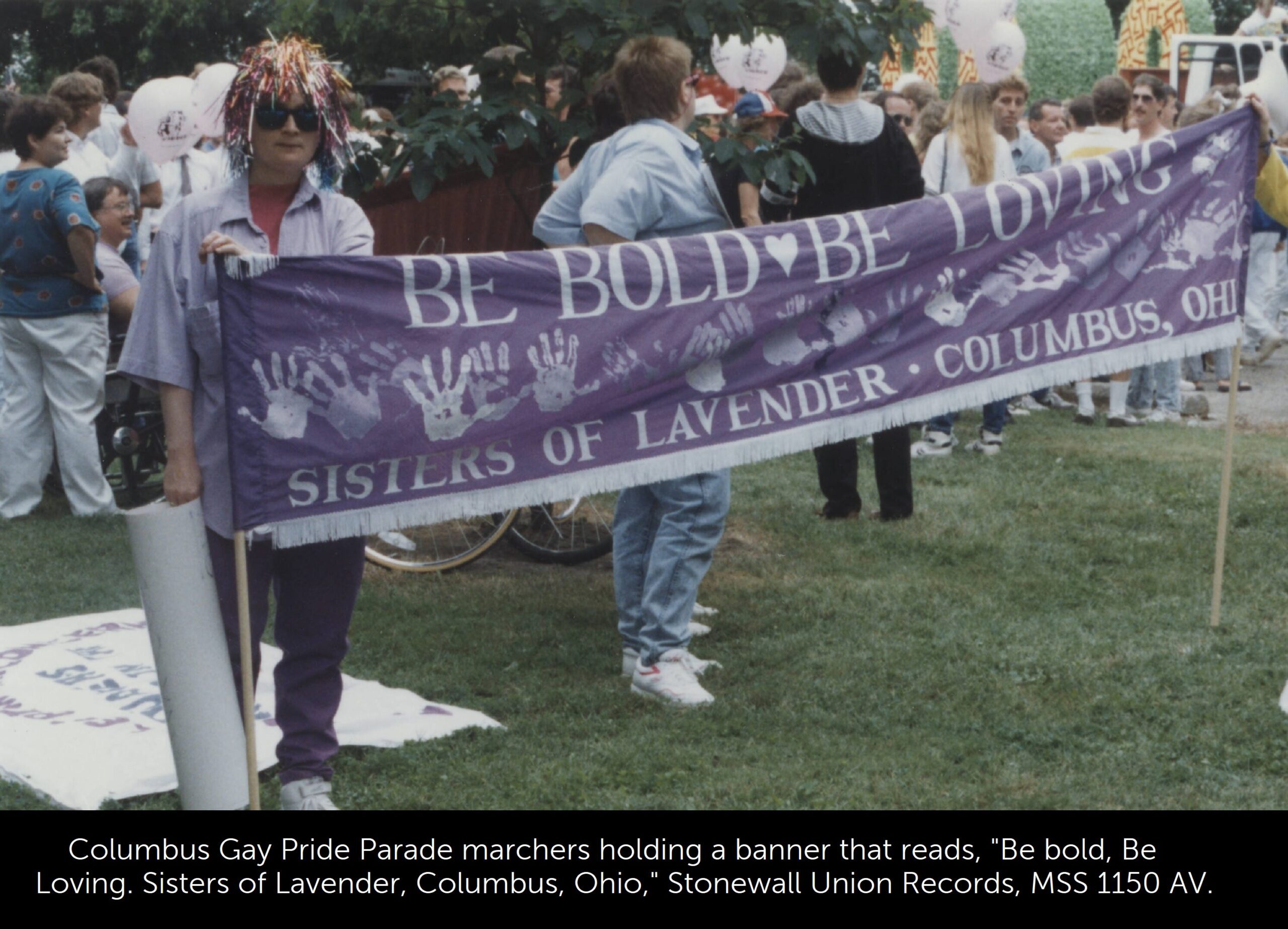
College towns have played a major role in queer life across Ohio. Cities like:
- Athens (Ohio University)
- Oxford (Miami University)
- Kent (Kent State University)
These areas often provided more accepting environments, though many spaces were temporary and tied to student populations.